
Shielding Your Brand: The Business Case for Anti-Graffiti Film in Canterbury
If you own a business in Christchurch’s CBD or a retail shop in Ashburton, you know the drill. You arrive on a Monday morning to find a fresh tag on your glass storefront. It’s not just paint; it’s a direct hit to your brand’s reputation and your wallet.
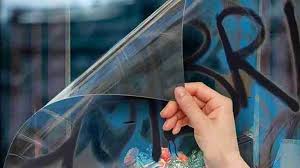
While some graffiti is considered art, the reality for most property owners is that unauthorized tagging is an expensive nuisance. Cleanup costs can run into the hundreds of dollars, require specialized equipment, and sometimes leave permanent etching on your glass. But there is a cost-effective, invisible solution gaining traction across Canterbury region: Anti-Graffiti Film.
At WrapCity, we specialize in protecting Kiwi businesses from vandalism with high-performance window films. Here’s why investing in anti-graffiti protection is one of the smartest moves you can make for your property.
What is Anti-Graffiti Film?
Anti-graffiti film is a thin, optically clear layer of polyester (PET) applied to glass, mirrors, or even metal surfaces. Think of it as a sacrificial shield.
It serves two primary purposes:
-
Prevention: High-quality films feature coatings that resist paint, markers, and adhesives, making it hard for vandals to tag in the first place.
-
Protection: If the surface is tagged, the film takes the damage, not your expensive glass. You can either wipe the paint away with solvents or, in cases of etching, simply peel off the film and replace it at a fraction of the cost of replacing a glass pane .
Why NZ Businesses Need It: Beyond Just Paint
New Zealand’s urban density is increasing, and with it, the challenges of maintaining high-traffic retail spaces. Here is how anti-graffiti film directly benefits your bottom line.
1. The High Cost of Glass Replacement vs. Film
In cities like Christchurch or Timaru, replacing a large pane of toughened glass can cost thousands of dollars and take weeks to fabricate. If a vandal uses acid to etch your window, the glass is permanently damaged.
-
The Solution: Anti-graffiti film is sacrificial. If someone scratches or etches the film, you remove it, clean the (pristine) glass underneath, and apply a new layer. This costs a fraction of a full glass replacement.
2. Eliminate Business Downtime
If your storefront is being cleaned or replaced, you might have to close or deal with unsightly barriers. Traditional graffiti removal often involves harsh chemicals and scraping, which can disrupt trading.
-
The Solution: With film, cleanup is either a simple wipe-down or a quick peel-and-replace. There is no need to close your store for hours while workers scrub at the glass.
3. Preserve Brand Image
First impressions matter. A tagged window makes a store look uncared for and can reduce customer trust. In competitive retail environments, maintaining a pristine appearance is non-negotiable.
-
The Solution: Anti-graffiti film keeps your windows looking showroom-new, deterring vandals who prefer to target unprotected, “easy” surfaces.
How Does It Work? The Technology Explained
Not all films are created equal. At WrapCity, we work with two main types of technology to suit different New Zealand environments:
-
Top-Coated Films: These have a specialized layer that resists graffiti. Spray paint and markers cannot bond to the surface, allowing for easy wipe-away cleaning. This is ideal for interior displays or low-abuse areas.
-
Membrane-Based Films: These are heavy-duty solutions where the graffiti resistance is built into the entire thickness of the film. They can withstand harsh cleaning agents and aggressive scrubbing without losing their protective properties. This is the go-to for high-risk exterior storefronts.
-
Sacrificial Multi-Layer Films: Some films, like the 4mil or 6mil options, are designed to be “torn off.” They feature multiple layers; if scratched, you peel away the damaged top layer to reveal a fresh, clean surface underneath.
Real-World Applications: Where WrapCity Makes a Difference
We apply anti-graffiti film to a variety of surfaces across the Canterbury region:
-
Retail Storefronts: Protecting shop windows in high-foot-traffic areas like Colombo Street or the Four Avenues.
-
Public Facilities: Bus shelters, public toilets, and information kiosks.
-
Offices: Ground-floor lobby glass and exterior entryways.
-
Industrial: Protecting control panels or machine safety shields from scratches .
-
Advertising: Protecting lightboxes and digital signage from vandalism .
Why Choose WrapCity for Installation?
Installing anti-graffiti film is not a simple DIY job. Professional installation is crucial to avoid bubbles, debris contamination, and edge lifting, which can ruin the film’s effectiveness and optical clarity.
At WrapCity.co.nz:
-
We assess the risk: Is it an interior or exterior application? Does it need UV protection too?
-
We prep the surface: As seen in professional case studies, we ensure the glass is perfectly clean and restored before application—never sealing damage under the film.
-
We use the right tools: From reverse-roll techniques for windy sites to power squeegees for thick films, we ensure a flawless finish .
The WrapCity Verdict
Anti-graffiti film is one of the most cost-effective insurance policies you can buy for your property. It protects your assets, maintains your brand image, and saves you from the recurring stress of dealing with vandals.
Whether you need to protect a single office door or an entire shopping center facade, WrapCity has the expertise and materials to get the job done right.
Ready to protect your property? Window Tinting Guide New Zealand.
Frequently Asked Questions
Q: Will the film make my windows look different?
A: No. High-quality anti-graffiti film is optically clear. Once installed, you won’t even know it’s there—but the vandals will.
Q: Can it be installed on surfaces other than glass?
A: Absolutely. While glass is most common, we can apply specific films to polished metal, stainless steel, and even some plastics to protect elevators, vending machines, and balustrades.
Q: How long does it last?
A: Depending on the environment, interior films can last many years. Exterior films typically last several years before needing replacement due to weather exposure, though the replacement cycle is still far cheaper than glass repair.